What to Expect When Drilling a New Water Well in Tucson: A Step-by-Step Guide for 2026
Drilling a new water well in the Tucson, AZ, area involves several regulated steps every property owner should understand before work begins. This guide walks through each phase, from site assessment to final water testing, so you know what to expect when you invest in well drilling services. Whether your property is in the Catalina Foothills, Vail, Marana, or unincorporated Pima County, the process follows a consistent path governed by state and local rules.
Why Tucson's Geology Makes Well Planning So Important
The Tucson basin sits on a deep alluvial aquifer fed by theSanta Cruz River and surrounding mountain ranges. Many properties in centraland west Tucson reach reliable water at 250 to 350 feet, but conditions vary.Properties near the Catalina Foothills or Oro Valley may require 300 to 450feet of drilling, and caliche layers are common throughout the basin and canslow progress.
Pima County falls within the Tucson Active Management Area (AMA), where ADWR regulates groundwater use. Understanding this upfront helpsyou plan realistic timelines and budget accordingly.
Step 1: Site Assessment and Feasibility Check
Your licensed driller will review your parcel, evaluate local well logs from nearby properties, and confirm your land is suitable for installation. They will also check setback requirements, including required separation between your well and any on-site septic system.
Before drilling, you must obtain authorization from ADWR and file information describing how the well will be constructed. Most single-family residential wells qualify as exempt domestic wells, which carry a simpler permit pathway. Choosing experienced well drilling services at this stage ensures the site assessment is thorough and the permit application is filed correctly.
Step 2: Filing the ADWR Notice of Intent
The permit process is non-negotiable for well drilling services in Tucson, AZ. Prior to drilling, deepening, or modifying a well, you must file a Notice of Intent to Drill with ADWR along with the appropriate fee.
ADWR typically reviews the Notice of Intent within 15 days, though county review can add one to two additional weeks. Plan for a total pre-drilling wait of three to six weeks in most straightforward cases.
Before work begins, confirm that your driller is licensed. All well drillers must be licensed by both ADWR and the State Registrar of Contractors (ROC), which protects you legally and ensures the work is recognized by the state.
Step 3: Drilling Day: What Actually Happens on Your Property
A large drilling rig will be set up on your property and the crew will begin boring using rotary or air-rotary equipment suited to local geology. Drilling typically takes one to three days depending on depth and conditions. Tucson-area drillers frequently encounter caliche layers that require additional bit time.
Once the target depth is reached and water-bearing zones are confirmed, the driller sets steel or PVC casing inside the borehole to stabilize the walls and protect against surface contamination. A cement or bentonite grout seal is then applied around the casing near the surface.
Proper well construction standards help prevent contamination of the well and surrounding aquifer. Professional well drilling services use grout application techniques that meet ADWR construction standards for long-term aquifer protection.
Step 4: Pump Installation and System Setup
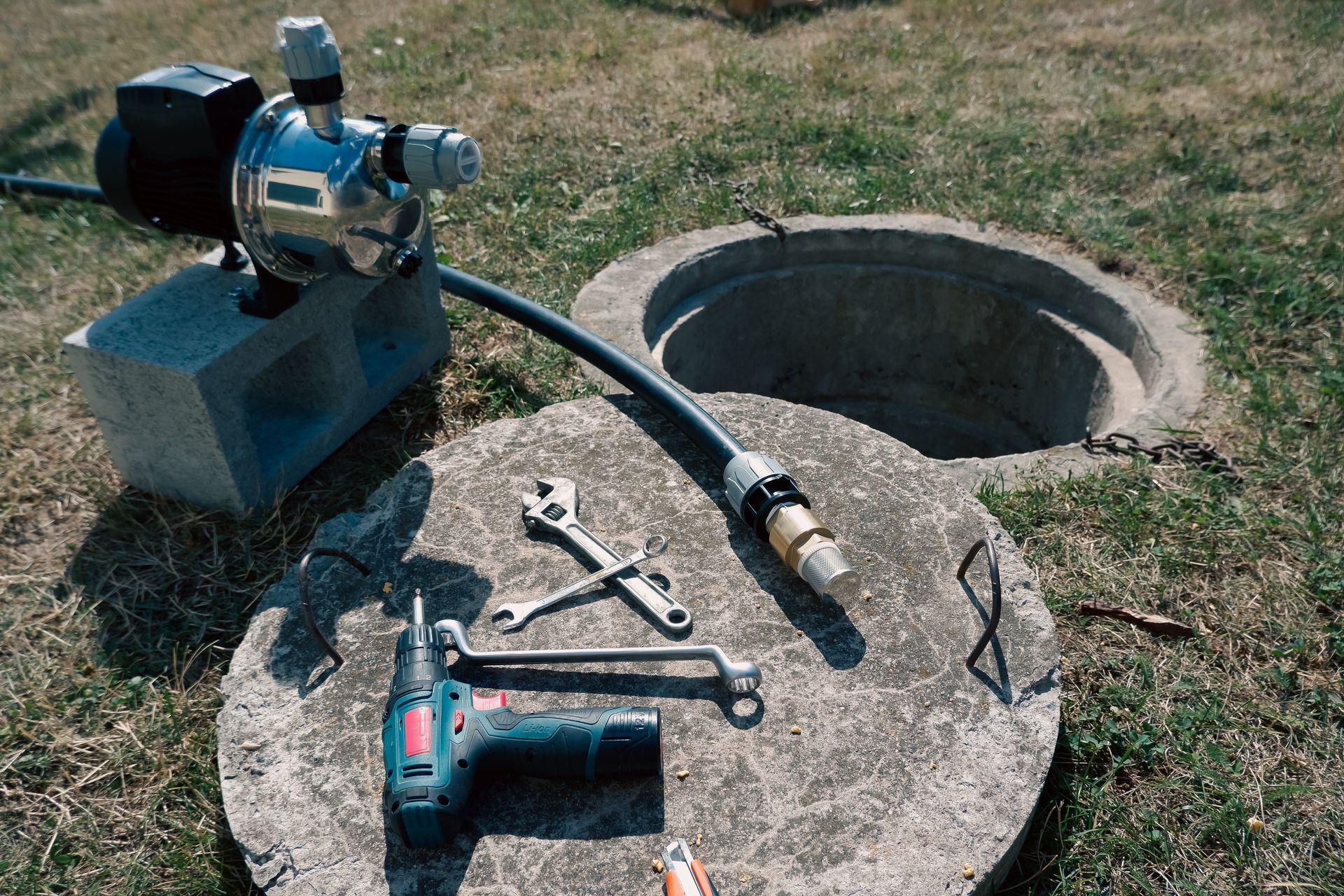
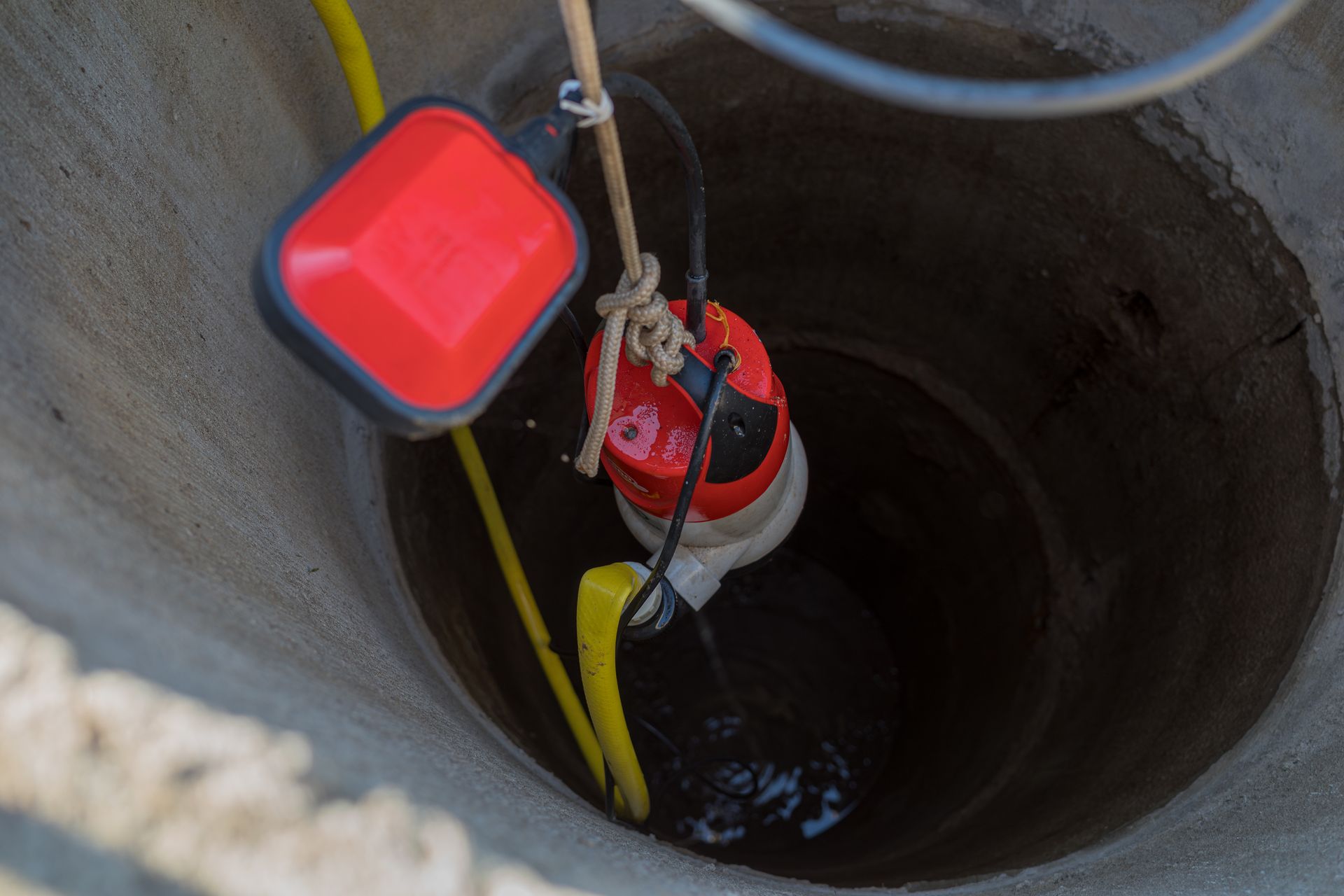
Pump and pressure tank installation typically takes about one day after drilling is complete. A submersible pump is lowered to the appropriate depth, and a pressure tank and control system are installed at the wellhead.
Pump size is matched to your water demand and the well's yield capacity. You can learn more about this phase on the
well pump installation contractor page.
Step 5: Water Testing and Final Inspection
Water testing is a critical step that should never be skipped. Lab turnaround typically takes one to two weeks. Tests commonly check for bacteria, nitrates, and other contaminants relevant to the Tucson basin. Some properties show arsenic or hardness issues depending on the sub-basin.
Once testing confirms the water meets safe drinking standards, final plumbing and electrical connections are completed, and a final inspection closes out the permit process with ADWR and your local jurisdiction.
How Long Does the Entire Process Take?
From filing the Notice of Intent to having usable water, expect three to eight weeks. Most straightforward residential wells in the Tucson area are completed in four to six weeks when no complications arise.
Do I Need a Separate County Permit in Pima County?
Yes, in most cases. Most counties require a well construction permit in addition to the ADWR Notice of Intent, and some require a separate plumbing or electrical permit for the pump hookup. Your licensed driller can clarify which permits apply to your parcel.
What Water Quality Issues Are Common in the Tucson Area?
The Tucson basin aquifer can present variable water quality. Drillers familiar with the Tucson AMA watch specifically for arsenic and fluoride levels that differ by sub-basin. A full initial water quality test is standard before connecting a new well to any household plumbing.
Ready to Move Forward? Contact Nelson Drilling Today
Nelson Drilling has served the Tucson, AZ, area and surrounding Southern Arizona communities for over 30 years, providing well drilling services to residential and commercial property owners across Pima County, Marana, Green Valley, Sahuarita, and beyond. Call (520) 682-8592 to speak with an experienced pump professional today.